Two colleagues who only communicate by email. A department that absorbed another team, where everyone keeps to their side. A project delivered in pain, with grievances nobody ever said out loud. Every team goes through this kind of period, and most managers react the same way: a meeting to “clear the air”.
The trouble is that this meeting happens in the same place, with the same roles and the same power dynamics that created the tension in the first place. It ends in polite silence or in a settling of scores. There is another way, one we see working regularly at Break-it: a facilitated creative workshop, designed as a cohesion session. Here is how it works, which situations it suits, and what it does not replace.
Recognising a team under strain
Open conflict is rare. What wears a team down are the quiet tensions: meetings where nobody asks questions any more, messages copied to three people “for information”, coffee breaks taken in the same small groups every time, newcomers who do not know who to turn to. Often nobody is wrong: two ways of working settled in without anyone taking the time to align them.
These situations have one thing in common: they are not solved by talking about the problem, because the problem is precisely that people can no longer talk to each other.
Why the clear-the-air meeting often fails
- The place: the meeting room is where the disagreements happened. Going back there means replaying the scene.
- The face-to-face: sitting in a circle, everyone waits for their turn and prepares their answer instead of listening.
- The hierarchy: when the manager runs the session, the quieter ones stay silent and the more confident ones take up the space.
- The stakes: anything said can be held against you. So people say little, or too much.
What a creative workshop changes
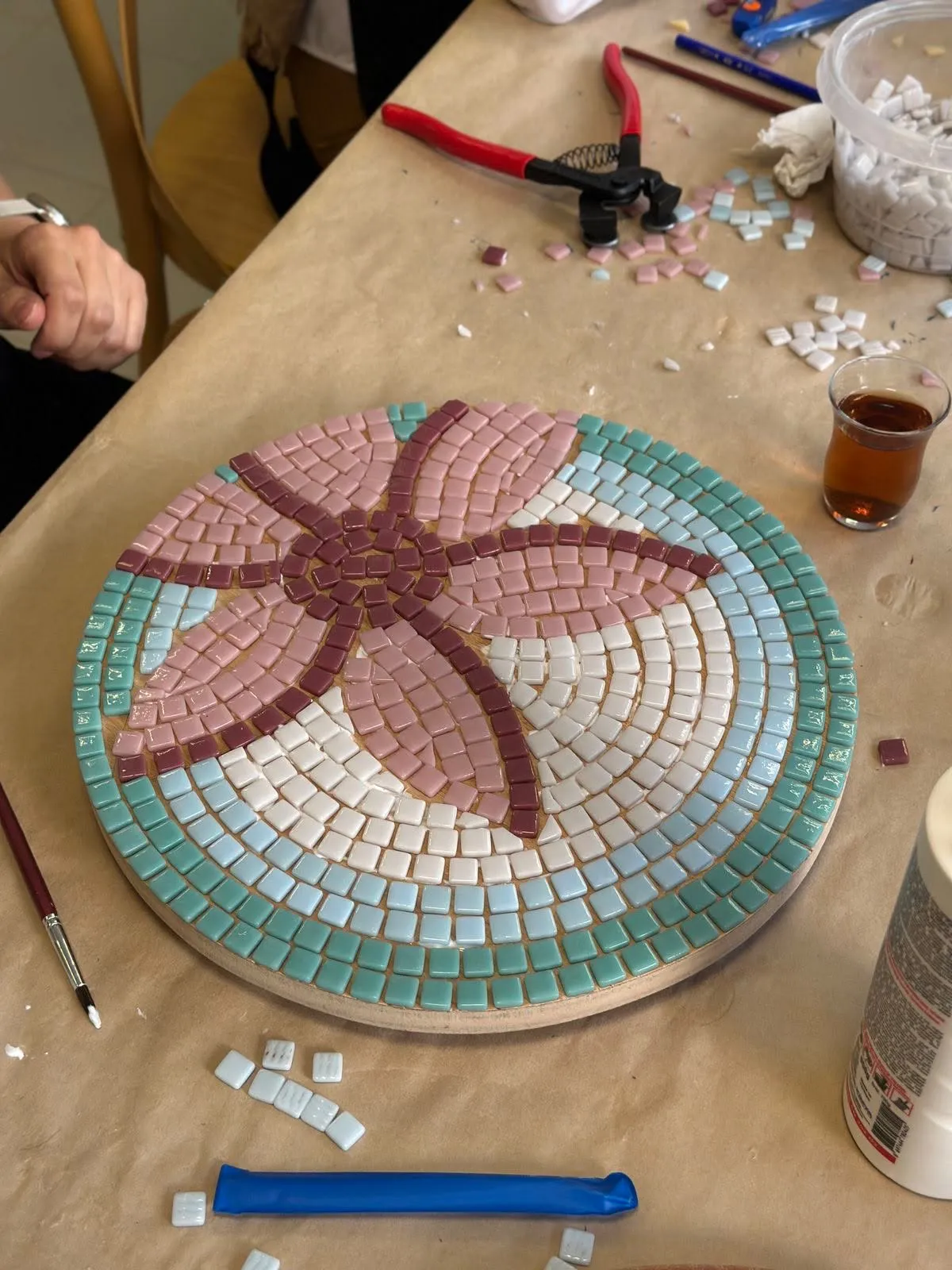
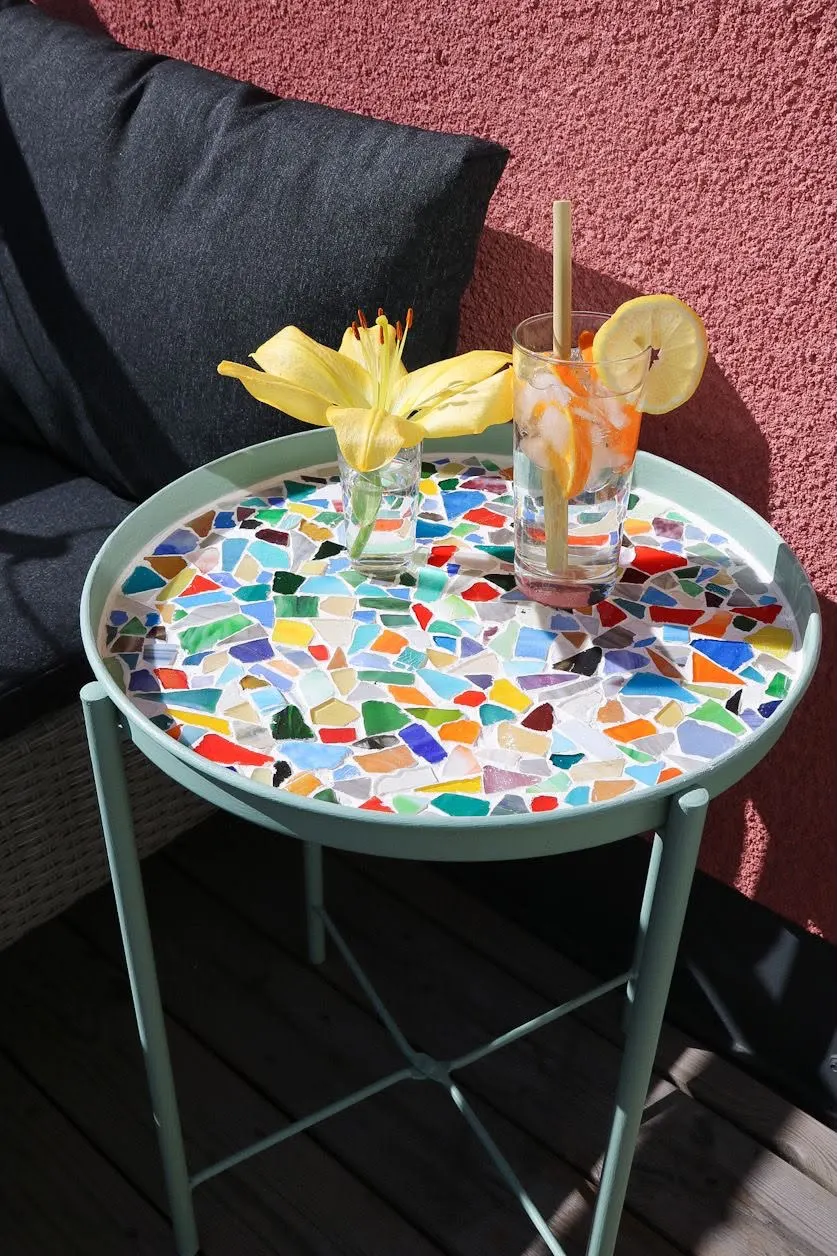
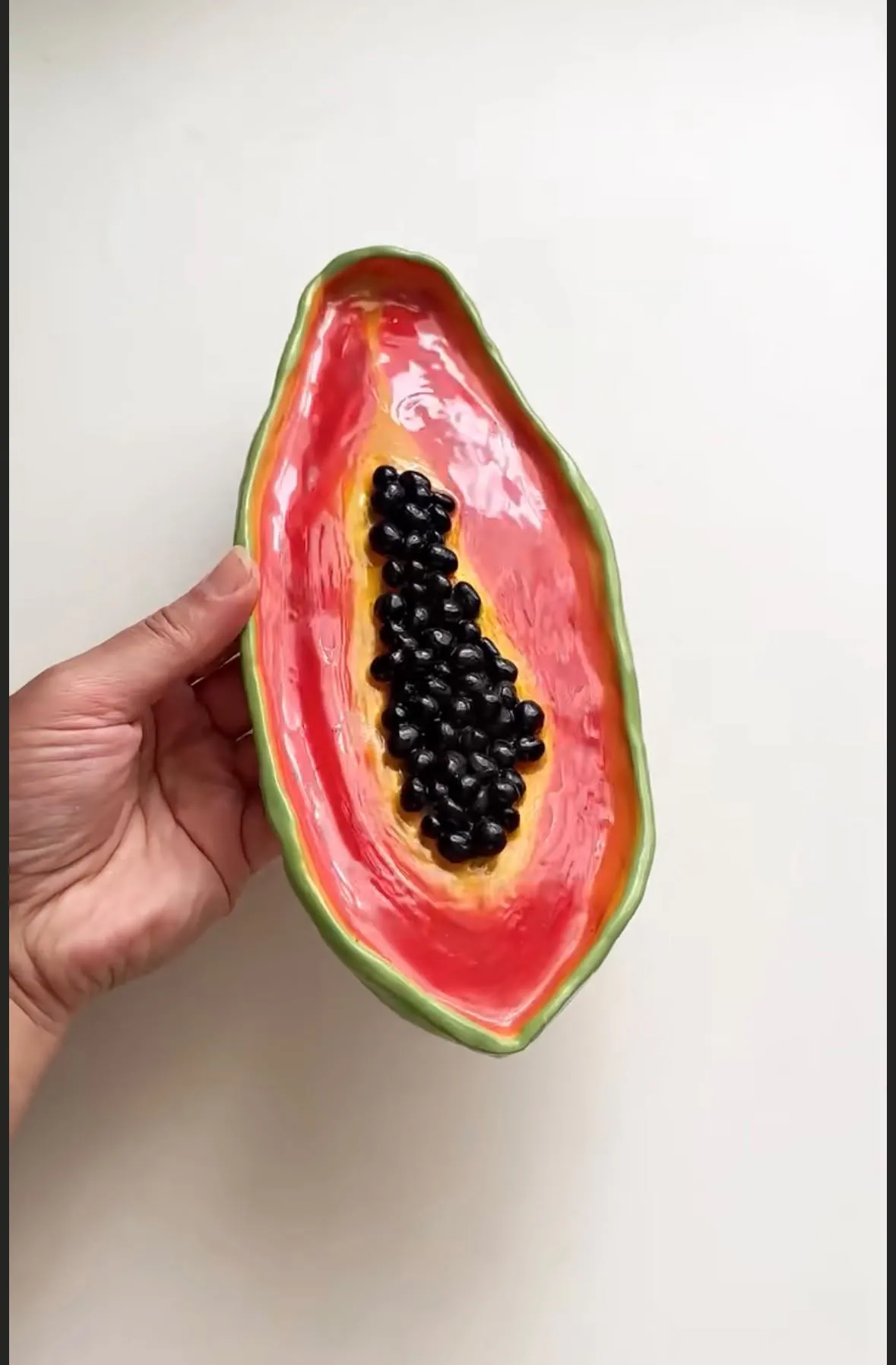
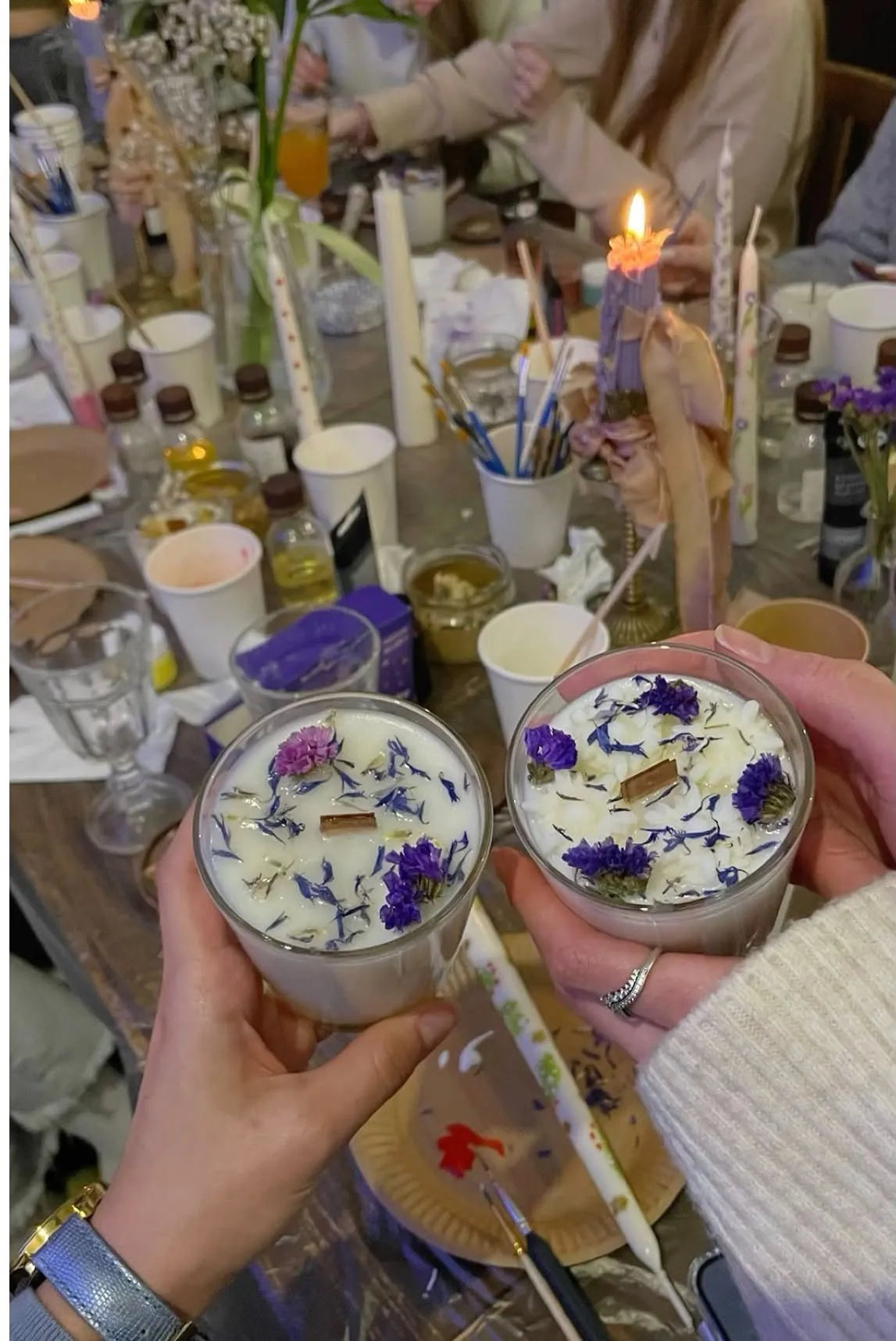
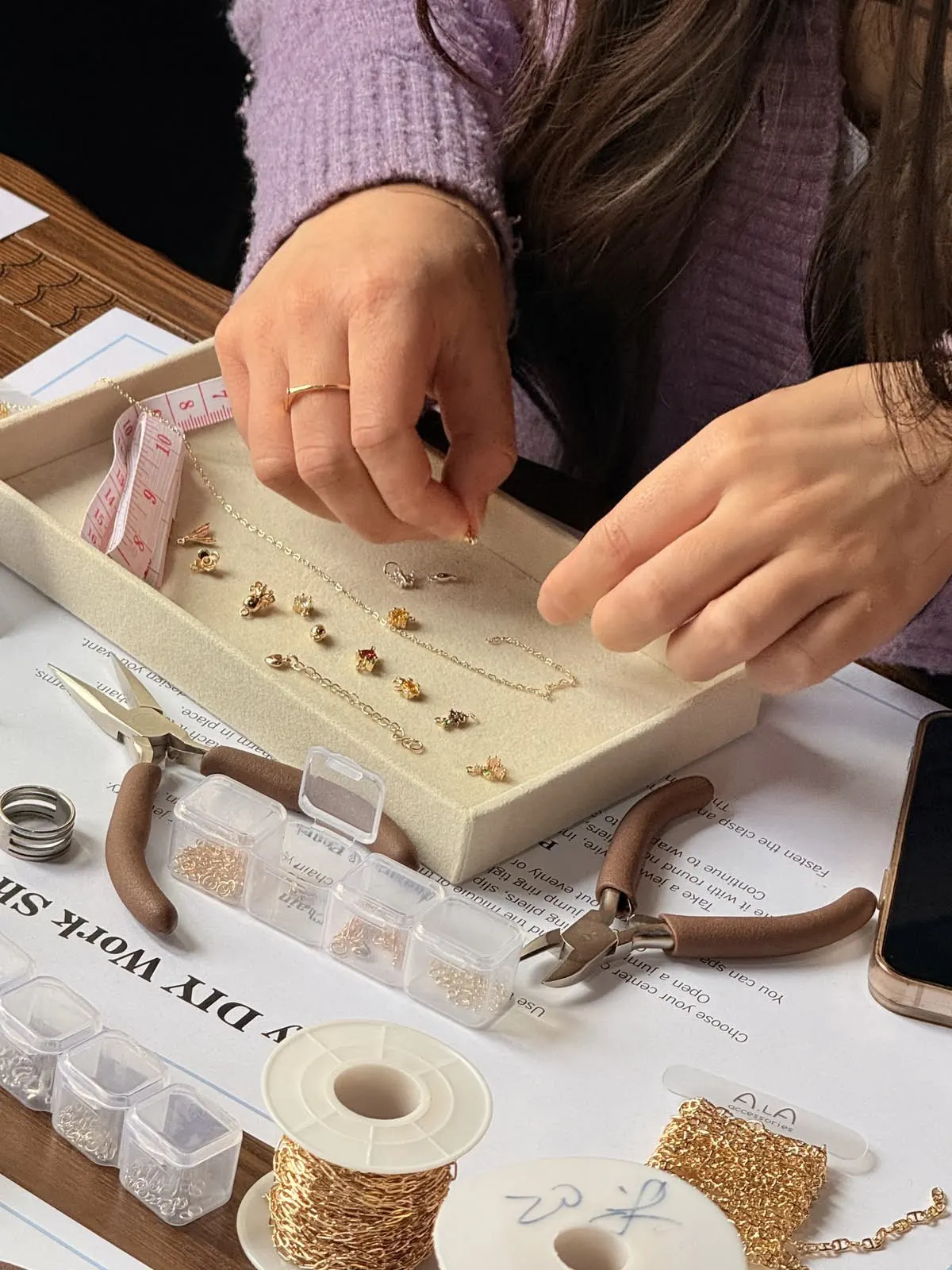
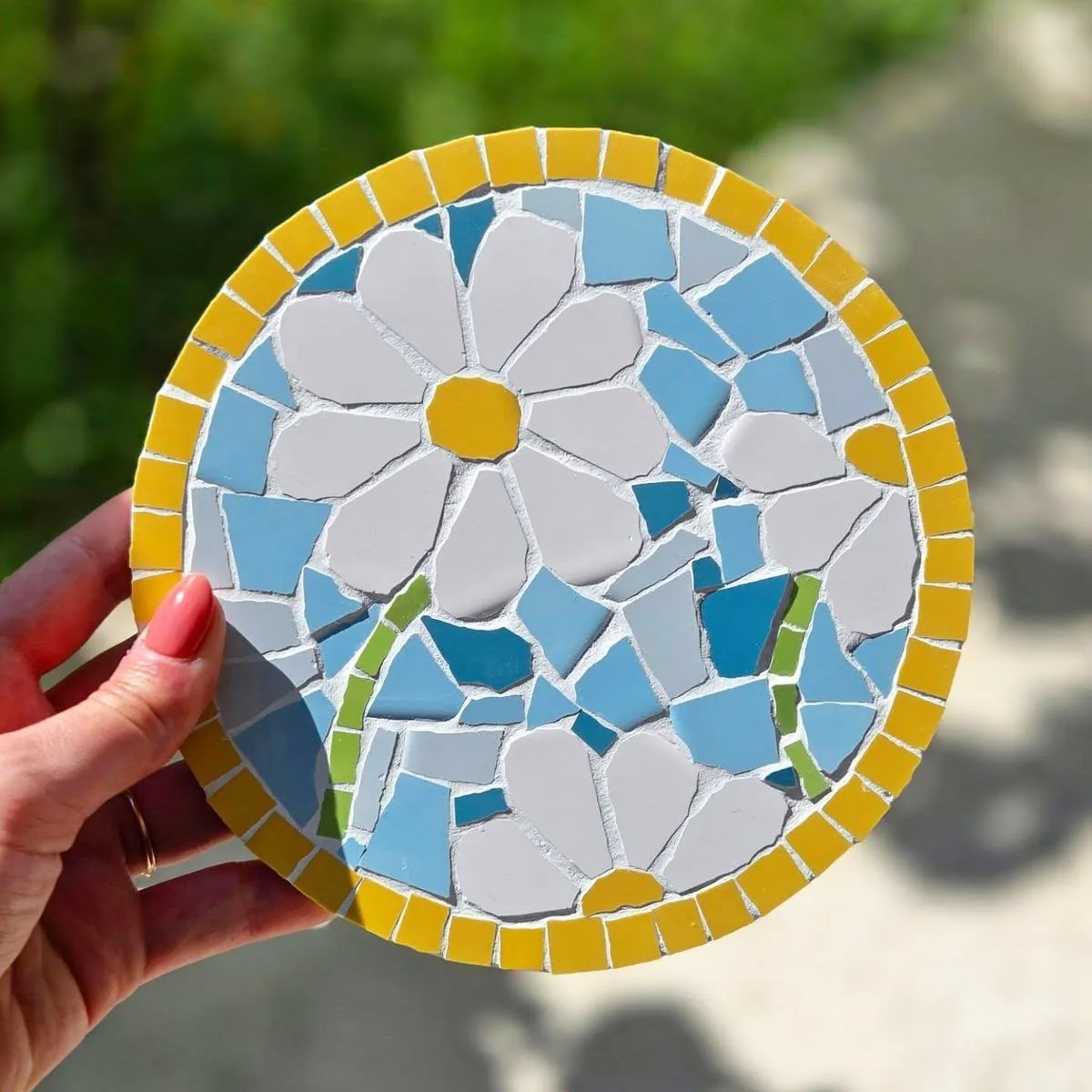
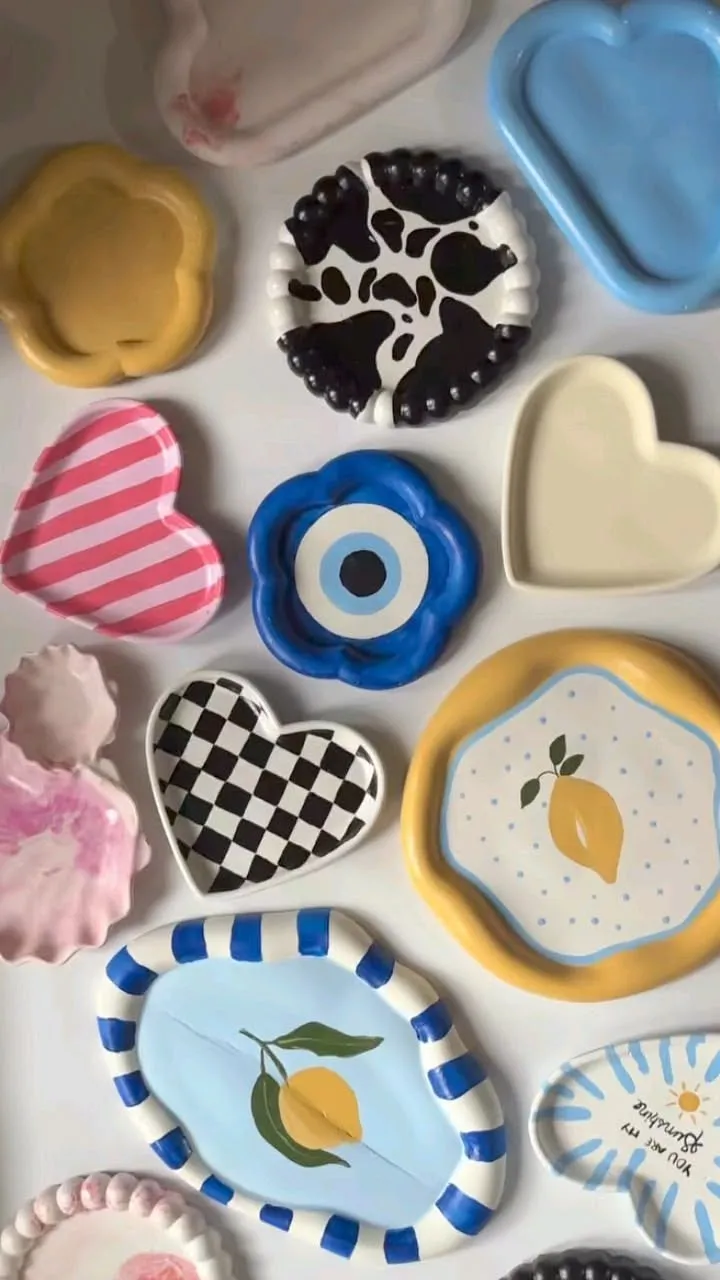
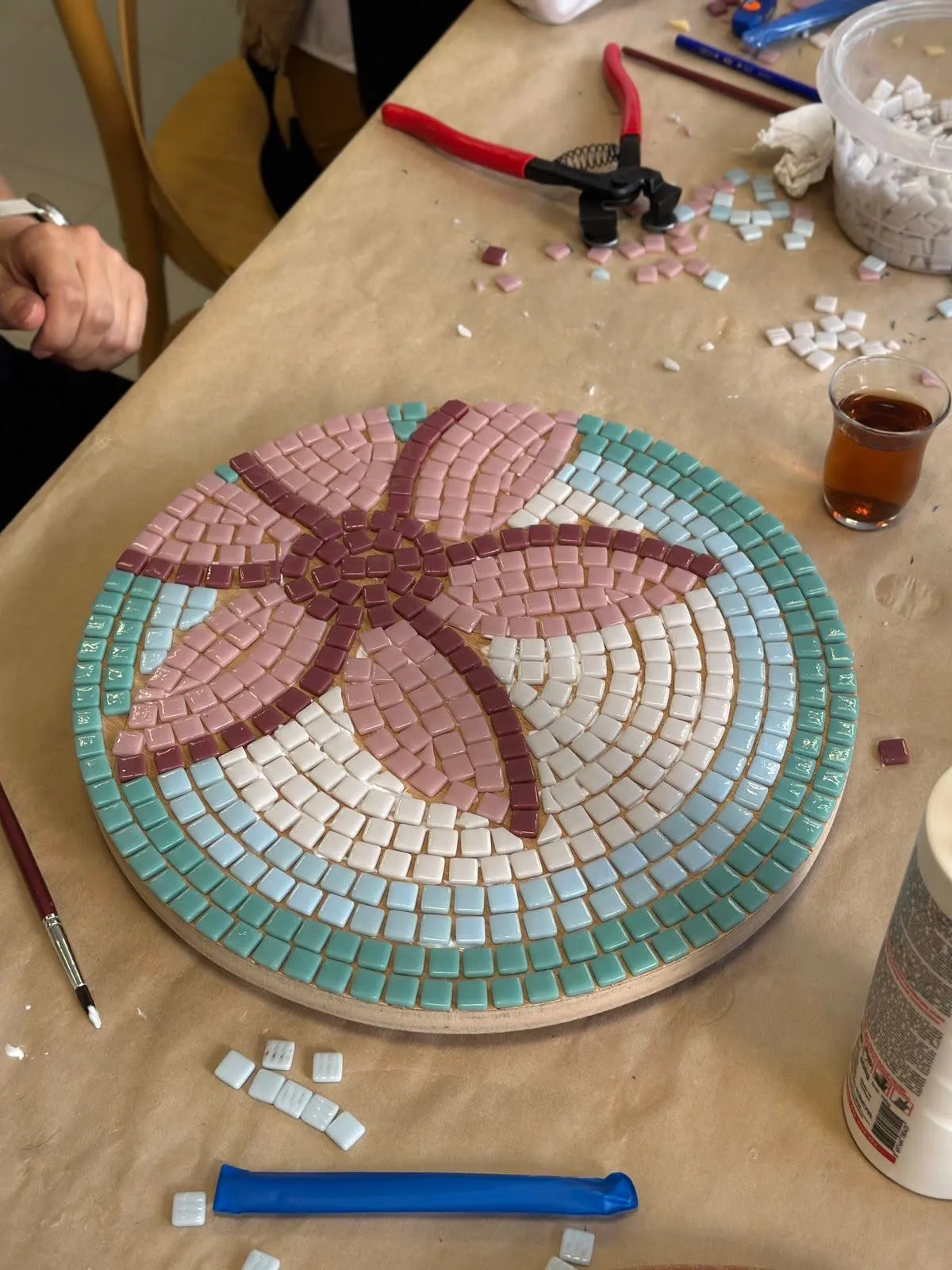
Putting a team around a mosaic or clay table changes four things at once. First, hands are busy: it is easier to talk about what hurts when you do not have to look each other in the eye, and silence is no longer awkward because you are making something. Second, nobody is the expert: the director and the intern discover the technique at the same moment, which puts everyone on the same level for two hours. Third, you leave the office: a neutral place, no screens, no meeting room, no memory of tense exchanges. Finally, you make something together: a collective mosaic, a set of pieces that will form a whole. The team leaves with an object it made together, and that is the memory that lasts.
This is not magic. It is simply a setting where the conversations that could not happen become possible, because attention is elsewhere and the stakes are low.
How a cohesion workshop runs at Break-it
We have structured this format in three parts, over roughly two and a half hours, for teams of 6 to 24 people in our studio on Rue de Flandre, or up to 100 people at your premises.
- 1. Creating in mixed pairs (1 h 30): we compose the pairs in advance with the manager, separating the groups that have formed and bringing together the people who talk the least. Each pair makes part of a collective piece, mosaic or clay depending on your choice. The host guides the technique, not the conversation: that comes by itself.
- 2. Assembly (20 min): the pieces are brought together into a single work. This is the moment the team sees, concretely, what the sum of the contributions looks like. The piece goes home with you and finds its place in the office.
- 3. The sharing round (30 min): a guided round of three simple questions, no coaching jargon: what I enjoyed today, what I would like us to keep from this moment back at the office, one thing I suggest we change in how we work together. Nobody has to speak. The manager listens first and answers last.
Which workshop for which situation
- Two teams merging or who barely know each other: the collective mosaic. Each pair makes a fragment, the whole only takes shape at assembly. It is the most readable metaphor, and the final piece is spectacular.
- A team exhausted after a hard period: air-dry clay. Slow gestures, soothing material, no expected result. People talk little at first, then a lot.
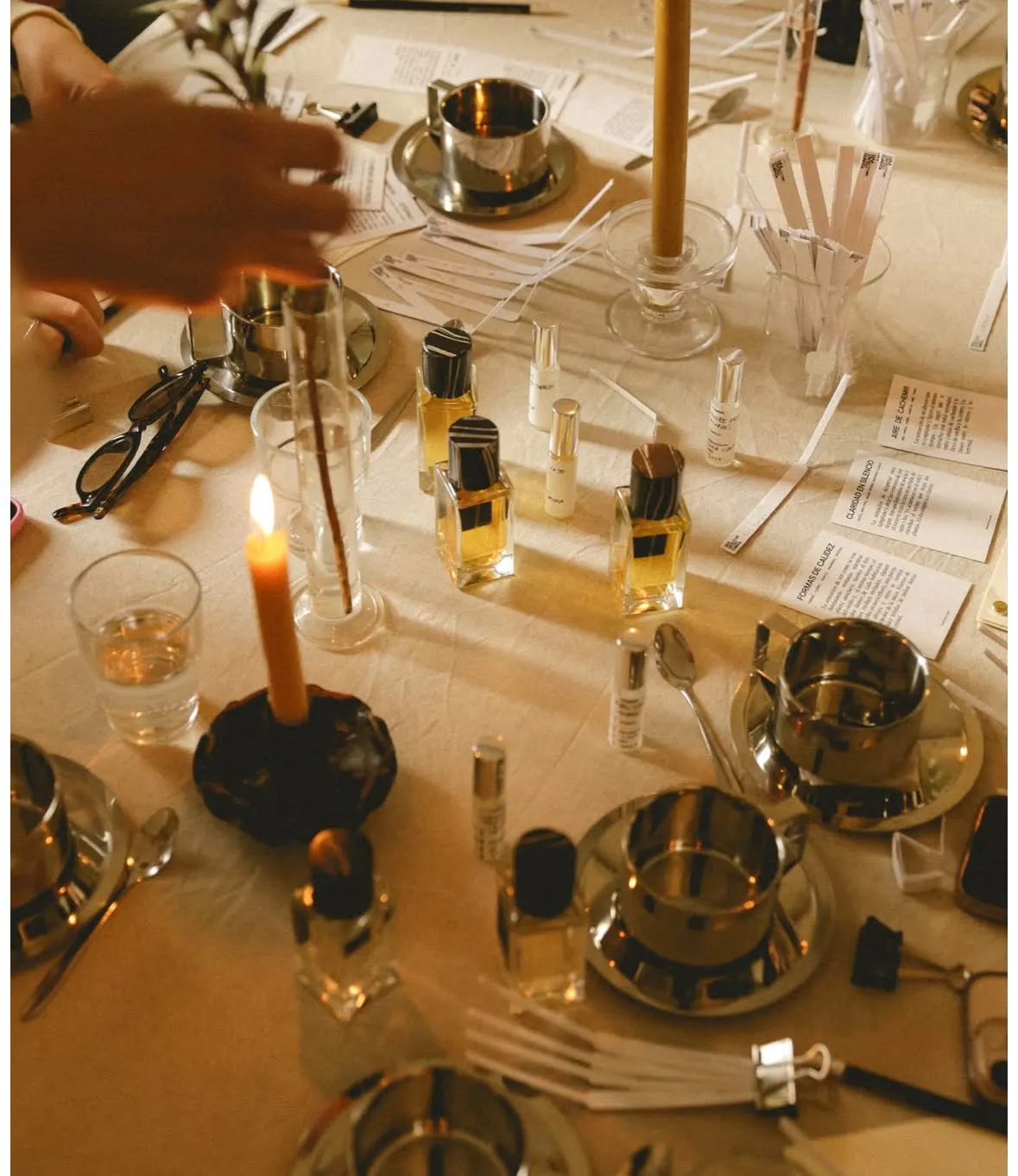
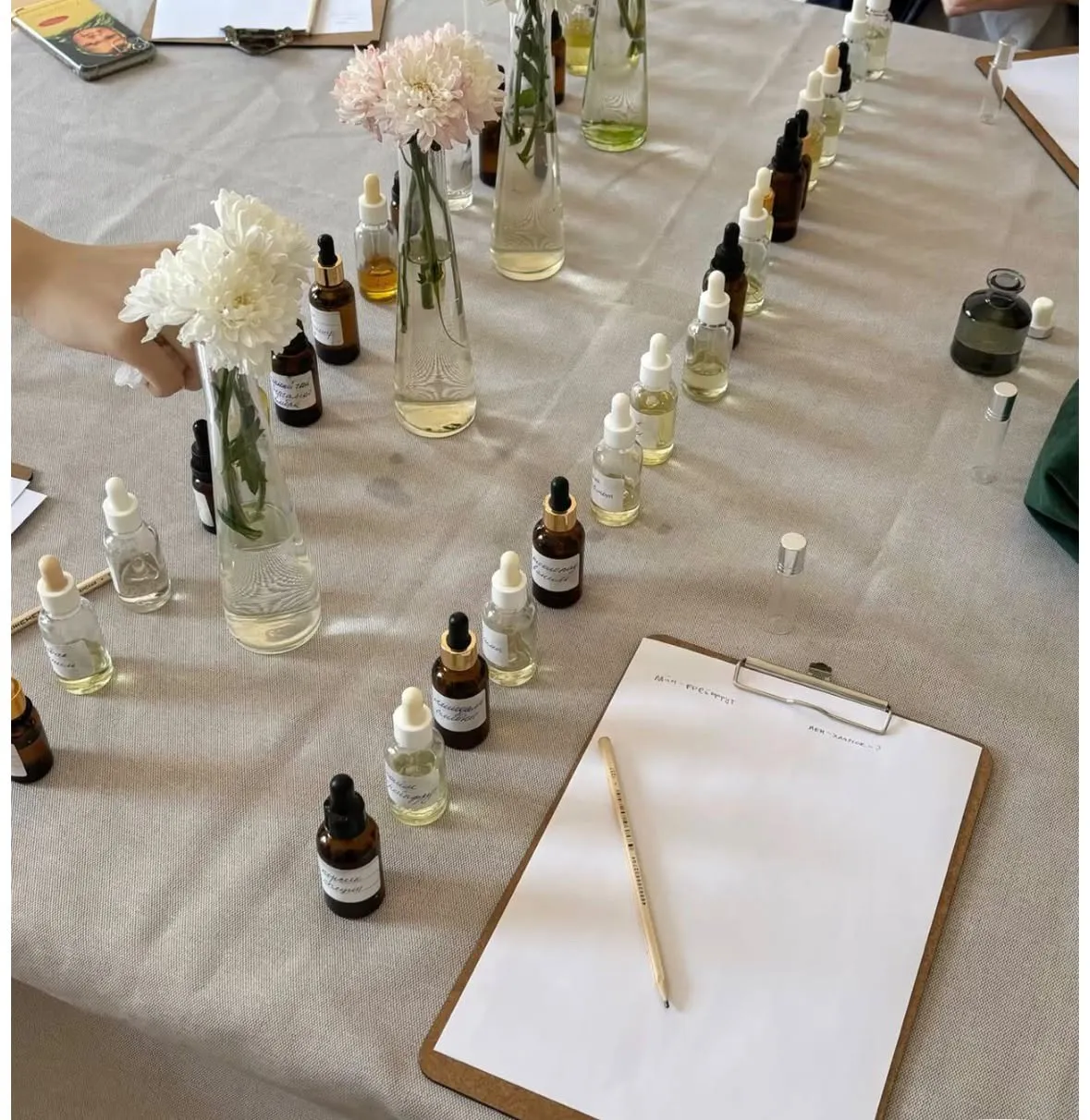
- A team where speaking up is blocked: the perfume workshop. Composing a fragrance forces you to describe what you feel and ask others for their opinion. A perfect pretext to talk again with nothing at stake.
- Tension between two specific people: a team workshop still helps, but it is not enough. See the next section.
The manager’s role before and after
The workshop does a lot, but not everything. Three precautions make the difference. Before: do not present the workshop as “the solution to the problem” but as a moment for the team; people sense the manoeuvre and close up. Simply say the team has been through a busy period and you are taking two hours together somewhere else. During: take part like everyone else, without facilitating, without commenting on the pairs’ work, without your phone. After: within the week, pick up the suggestions that came out of the sharing round, choose one or two and apply them visibly. That follow-up is what turns a good moment into lasting change.
What a workshop does not replace
A creative workshop is a cohesion tool, not mediation. If the conflict pits two people against each other acutely, if there are allegations of harassment or discrimination, or an ongoing dispute, the first step is an individual conversation, then, if needed, formal mediation or the involvement of HR and the confidential adviser. The workshop comes afterwards, when the people concerned agree to work together again and the team needs to turn the page collectively.
Our role stops there: we are neither mediators nor coaches, and we say so clearly to the companies that contact us. We offer a setting, a craft and an object. The rest belongs to the team.
In practice
- Duration: 2 to 2.5 hours, sharing round included. The format fits into an afternoon or the end of a working day.
- Group size: from 6 to 24 in our Brussels studio, up to 100 at your premises or a rented venue, anywhere in Belgium.
- Languages: hosted in French, Dutch or English, useful when the tension also comes from teams that do not share a language.
- Budget: from €35 per person, materials and creation included; the cohesion format with collective piece and sharing round is quoted according to group size.
- Preparation: a twenty-minute exchange with the manager, by phone or email, to compose the pairs and choose the workshop. Nothing to prepare on your side.
Is your team coming out of a hard period, are two departments learning to work together, or do you simply feel people no longer talk the way they used to? Write to us in a few lines: the size of the team, what happened in broad strokes and your preferred period. We get back to you within 24 hours with a concrete proposal. Request a quote for a cohesion workshop, or discover our team workshops in Brussels.