Been asked to organise the next team building? Good news: it is not complicated, as long as you follow a logical order. Most failed team buildings fail for one simple reason: the activity was chosen before anyone knew why it was being done, or for whom.
This guide walks through the eight steps we recommend to the companies that contact us, from the first meeting to the post-event review. A summary checklist and budget ranges for Brussels are waiting at the end of the article.
1. Define the objective
Before looking at a single activity, answer one question: what should happen afterwards? Welcoming newcomers, reconciling two departments, celebrating a tough year, simply taking a breather? The objective drives everything else: an onboarding calls for mixed tables and a very accessible format, a celebration can afford a longer drinks reception.
- Write the objective in one sentence and get it validated by management.
- Identify who absolutely has to be there: that sets the date.
2. Set the budget and the date
Think of the budget per person, all-inclusive: activity, venue, refreshments, any transport. A range is enough at this stage. For the date, avoid the eve of school holidays and accounting close, and favour Thursday afternoons: attendance is better and the evening stays free to carry on. Book six to eight weeks ahead, more in December.
3. Choose the format according to group size
The number of participants rules out many options straight away. With 6 to 15 people, anything goes, including a single workshop where everyone leaves with their creation. With 15 to 40, plan several hosts or rotating workshops to avoid waiting. Above 40 and up to 100, think in “villages”: several activities in parallel, with a shared moment at the start and the end.
4. Choose the venue: office, studio or outdoors
At your office, you save on transport and hire, and people feel at ease; you need a large enough room, tables and access to water. In a studio or dedicated venue, the team gets a change of scenery, everything is ready on arrival and cleaning is not your problem. Outdoors, the Belgian weather demands a plan B. In Brussels, parking and public-transport access need checking in every case.
5. Manage logistics and constraints
This is the step people underestimate. Run through the following points before confirming the provider.
- Accessibility: stairs, lift, the option to sit, fatigue for people with reduced mobility or who are pregnant.
- Allergies and diets: essential for anything food-related, useful too for perfumes and glues.
- Languages: in Brussels a team often mixes FR, NL and EN; check the activity can be hosted in at least two languages.
- Timing: 1.5 to 2 hours of activity is the format that holds attention; beyond that, plan a break.
- Insurance and invoicing: a professional provider supplies a quote, a VAT invoice and their own cover.
6. Communicate internally
Announce the date as soon as it is set, then the activity two to three weeks before, with what people need to know: dress code, timing, venue, what everyone will take home. Avoid total mystery, which worries the more reserved, and avoid suspense about the nature of the activity if it requires particular clothing. A sign-up, even a symbolic one, increases actual attendance.
7. On the day
Arrive thirty minutes before the team to check the room, the set-up and the provider’s point of contact. Appoint a “host” on the company side who welcomes people, opens the session in two sentences (the objective, precisely) and handles the unexpected, while the facilitator focuses on the activity. Stay flexible on the finish time: the best conversations often happen while tidying up.
8. Collect feedback afterwards
In the following week, send a three-question survey: what people liked, what was missing, whether they would do it again. Share a few photos and thank the team. This feedback serves two purposes: fine-tuning the next edition and documenting, for management, what the budget produced.
Summary checklist
- Objective written in one sentence and validated
- Participant list and date blocked in calendars
- Per-person budget set, all-inclusive
- Format chosen according to group size
- Venue booked, plan B for weather or drop-outs
- Accessibility, allergy and language constraints passed on to the provider
- Quote signed, invoice and insurance checked
- Internal communication sent two to three weeks before
- Host appointed for the day, arriving thirty minutes early
- Feedback survey sent within the week
What budget to plan for?
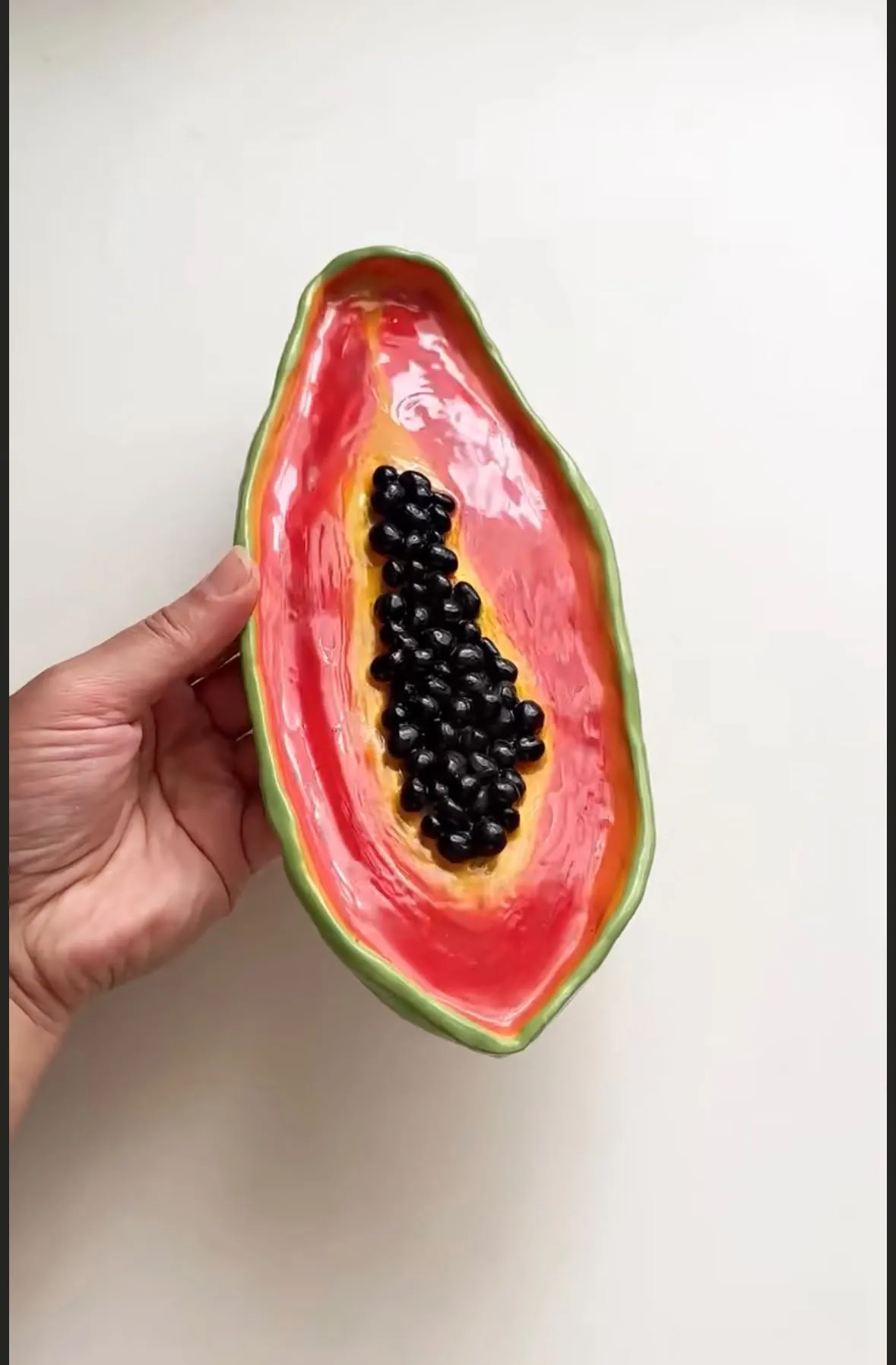
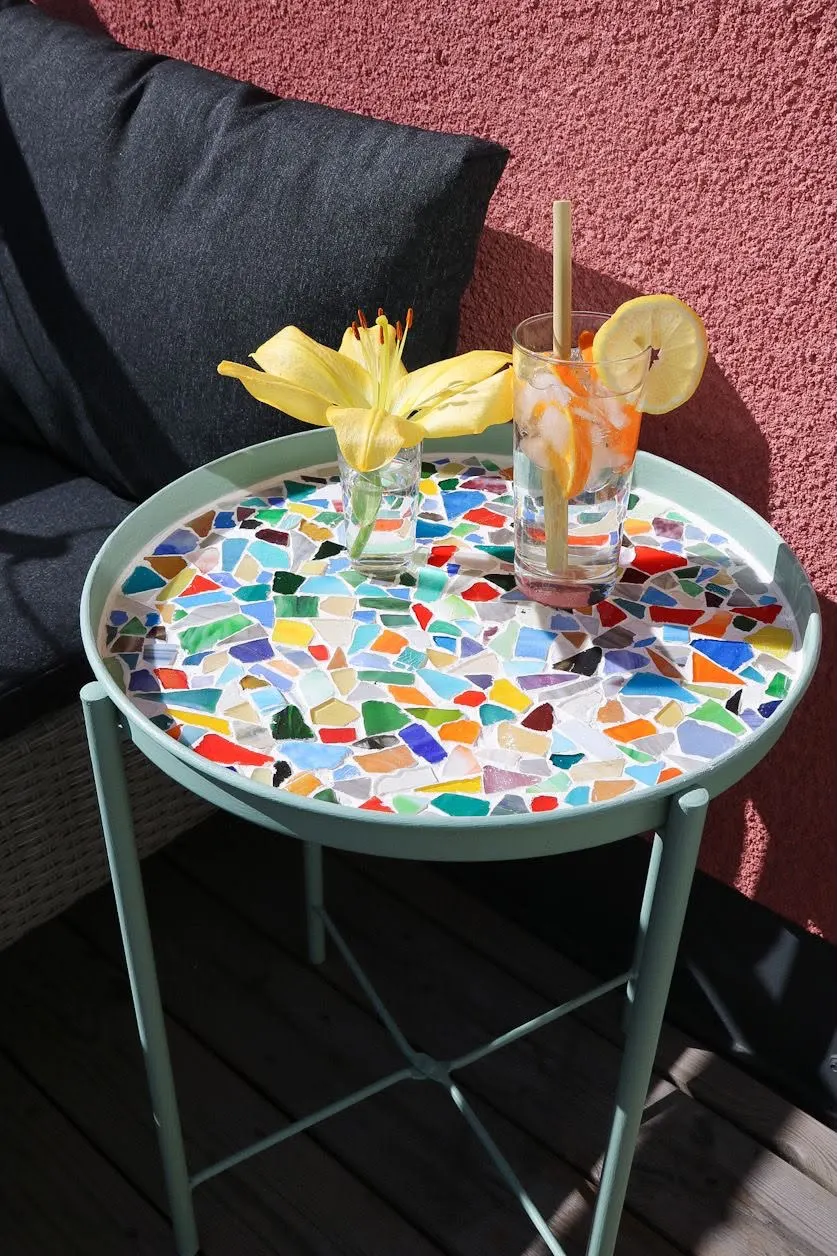
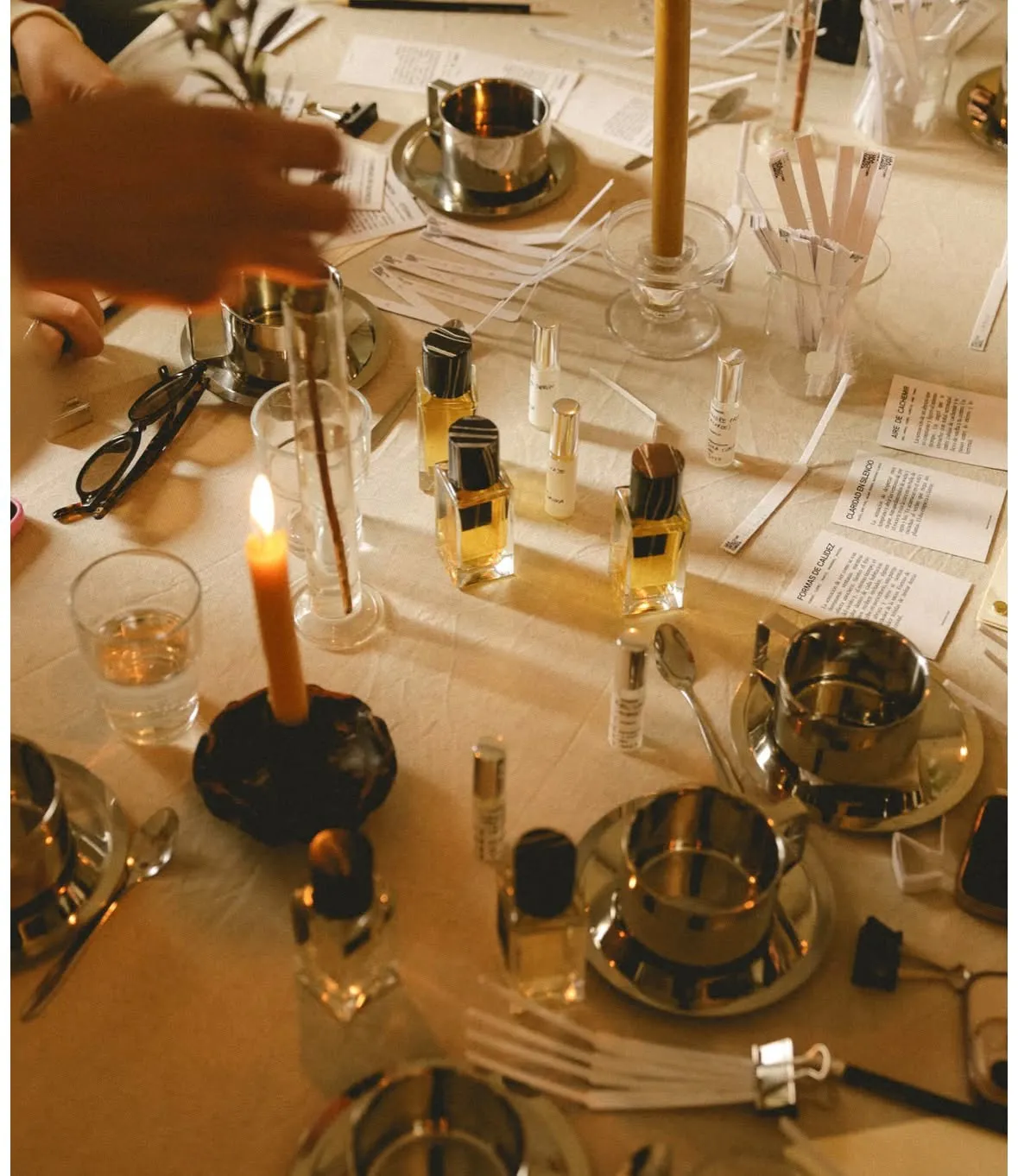
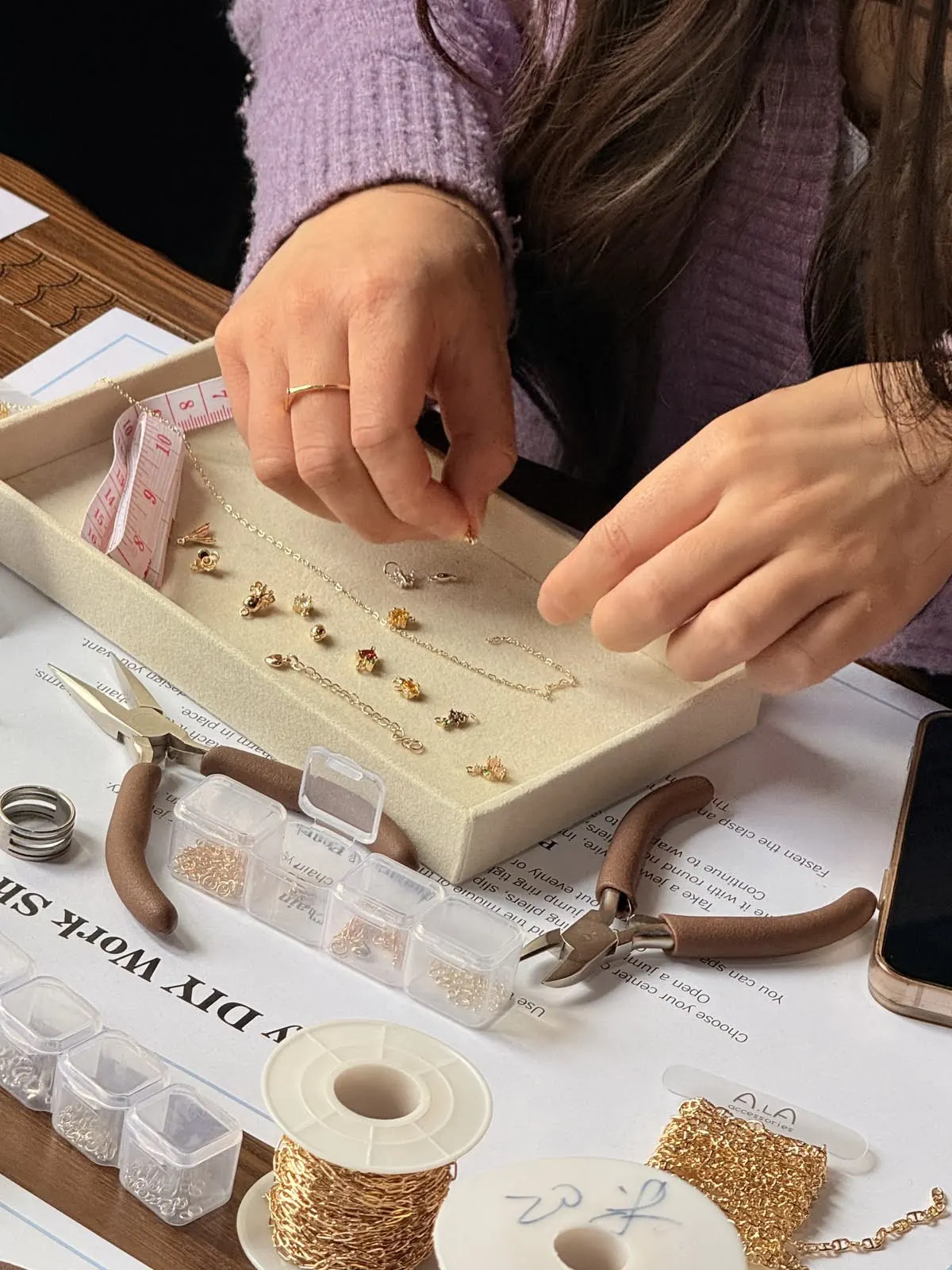
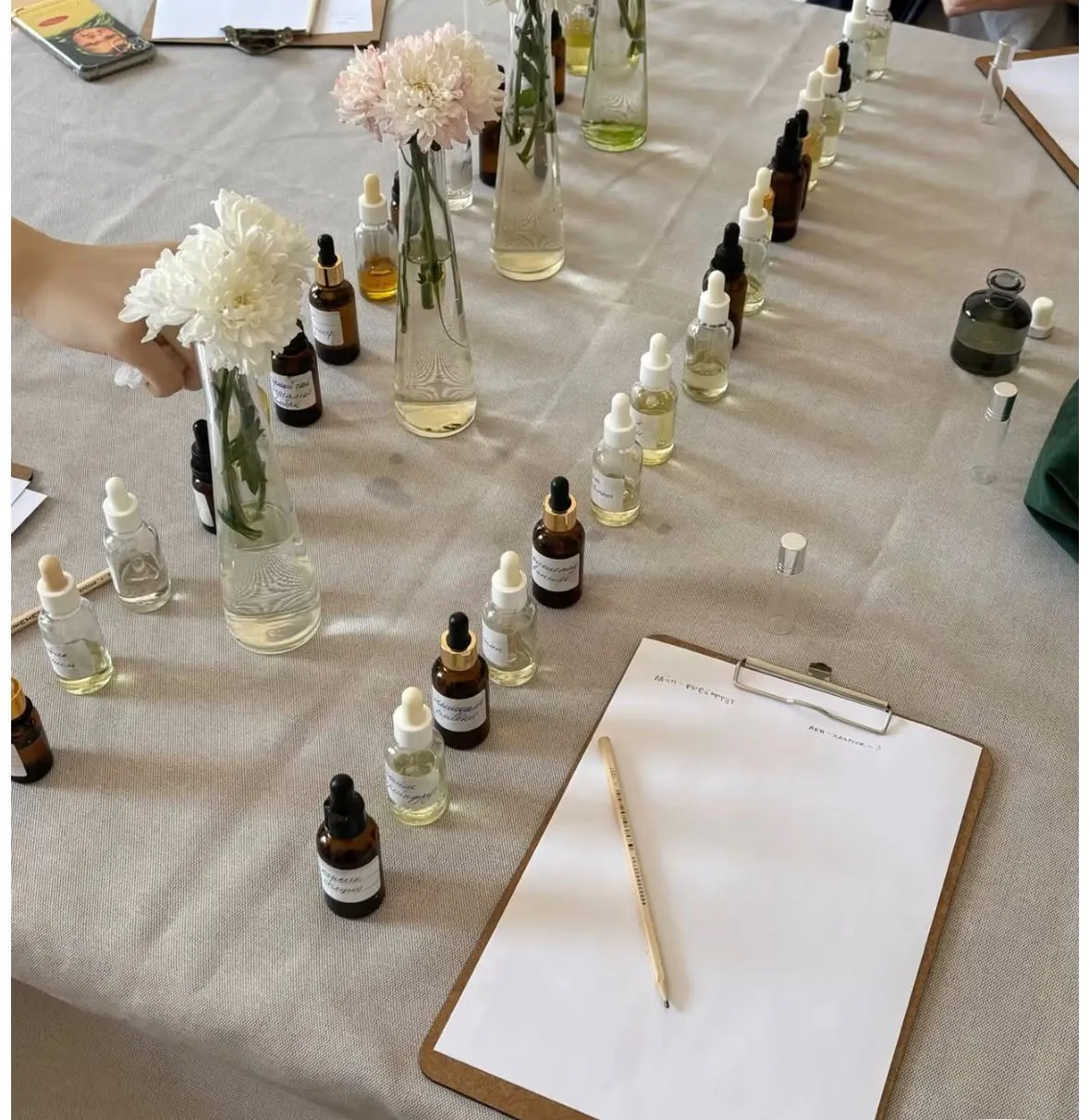
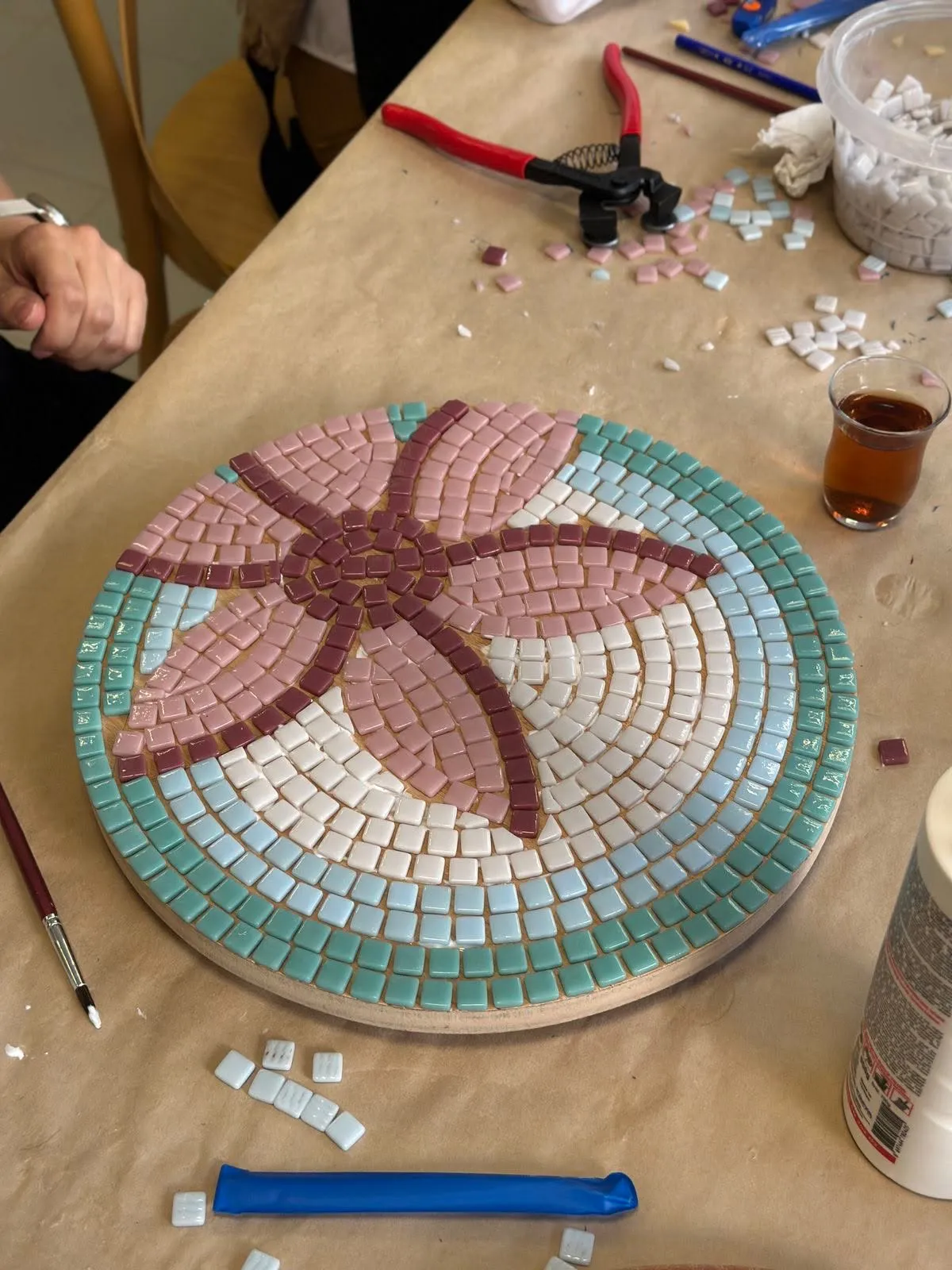
The budget for a creative workshop depends on the workshop chosen (jewellery, candle, clay, mosaic, bento cake or perfume making), the number of participants and the venue, at your office or at our studio on Rue de Flandre. Materials, hosting and the take-home creation are always included.
The simplest way: tell us your date, group size and the workshop you fancy, and request a free quote. We reply within 24 hours with a tailored proposal.
Got the objective, the date and the budget? Discover our creative team building in Brussels formula, read why team building improves team cohesion or request a quote: we reply within 24 hours and handle all the workshop logistics.