Team building is often seen as a “nice day out” with no lasting effect. Yet, when it is designed well, it acts on very concrete mechanisms: trust between colleagues, the way departments talk to each other, the desire to stay with the company. Those effects are what justify spending a budget and half a working day on it.
Here are the eight benefits of team building we observe most often among the teams we host, with, for each, what makes it possible and the conditions for it to last beyond the event.
1. Strengthening cohesion and trust
At the office, exchanges are framed by roles and deadlines. A team building puts the same people in a context with no professional stakes, where they discover each other differently: the quiet colleague turns out to be meticulous, the manager accepts not being the best in the room. Teams that have shared this kind of moment tend to give each other the benefit of the doubt more readily when tension arises.
Trust is built on shared experiences, not speeches. That is exactly what a team building provides: a common, positive memory to refer back to.
2. Smoothing communication between departments
In many organisations, friction does not come from ill will but from people simply not knowing each other. Accounting and sales cross paths by e-mail and rarely in person. Deliberately mixing tables during a team building puts faces behind e-mail addresses, and the requests that follow generally land better.
3. Feeding motivation and recognition
Offering teams a pleasant moment is a simple, visible form of recognition: the company invests time and money in its people, not only in its results. Participants notice, especially when the activity is chosen with care rather than imposed by default.
The effect is even stronger when the team building closes an intense period (end of a project, year-end): it marks a milestone and gives the feeling that the effort has been seen.
4. Speeding up the onboarding of newcomers
For a new hire, the first weeks are a stream of faces to memorise and codes to decipher. A team building organised in the month following a wave of arrivals lets newcomers meet, in one go, colleagues they would otherwise have taken months to bump into. Many companies now build it into their onboarding journey, particularly for hybrid or remote teams.
5. Reducing stress and supporting wellbeing
A hands-on or creative activity focuses attention on a concrete gesture and leaves the inbox aside. This few-hour break, experienced as a group, has a calming effect participants often describe spontaneously. Without replacing a prevention policy, a regular team building sends a clear signal: the team’s wellbeing matters.
6. Stimulating creativity and problem-solving
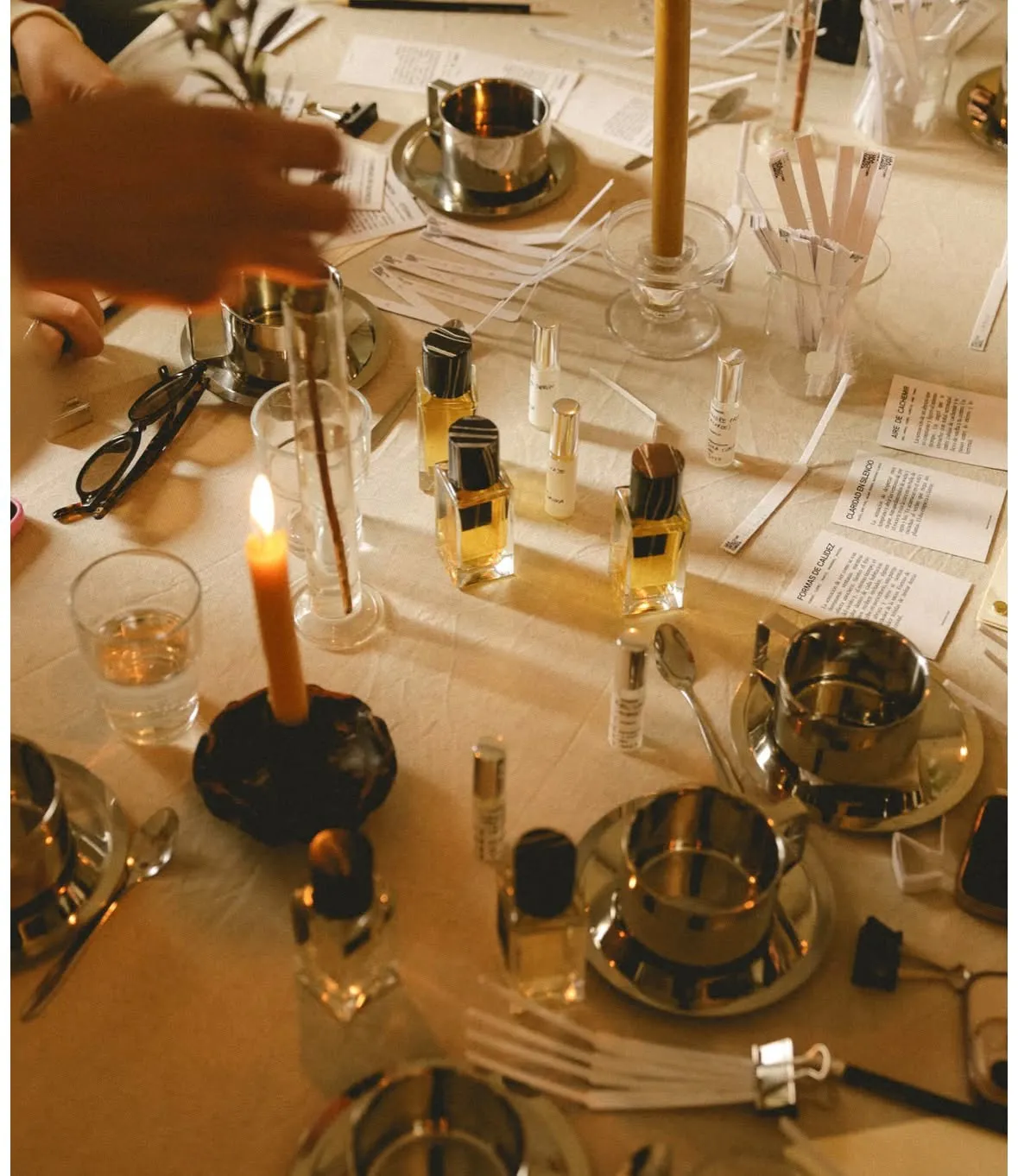
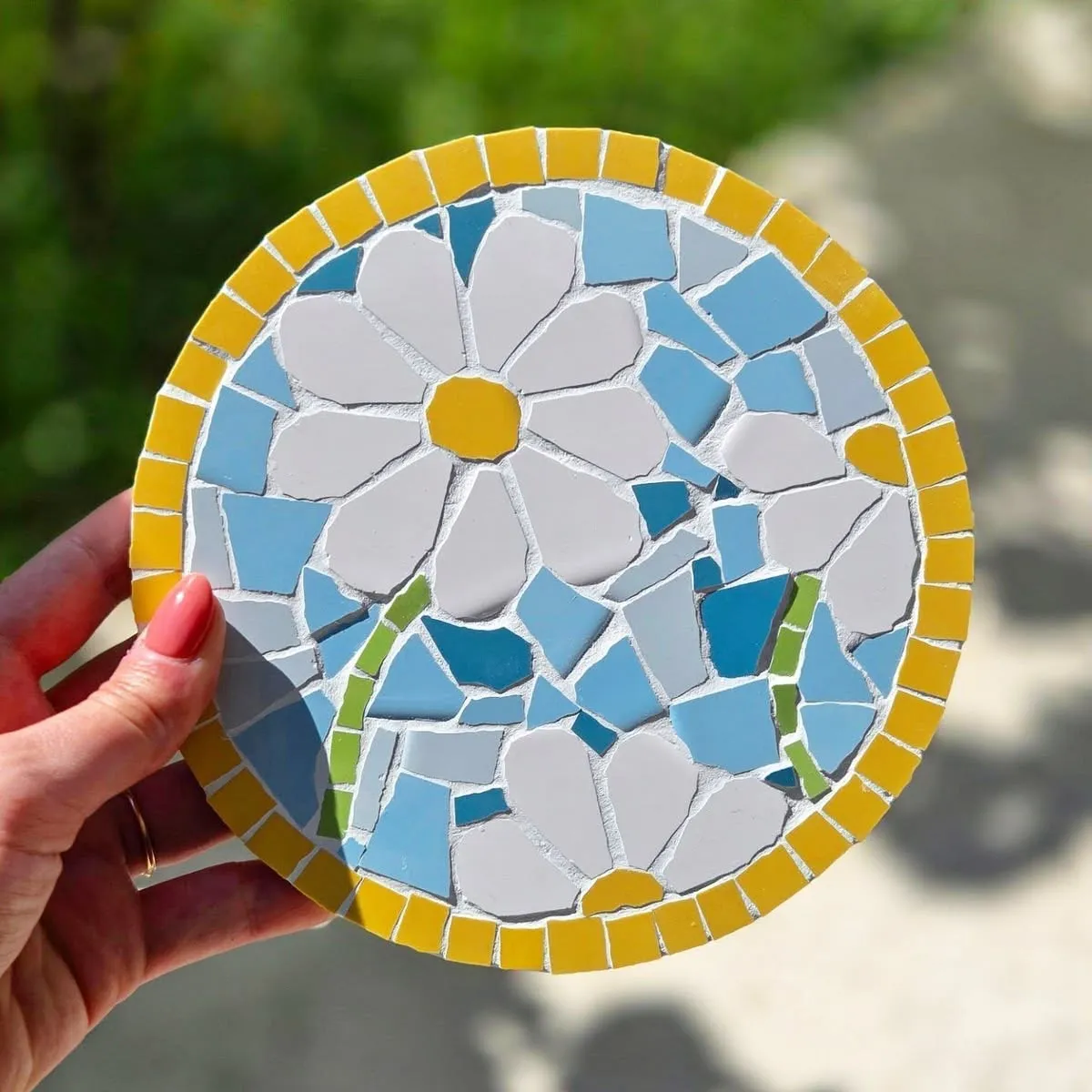
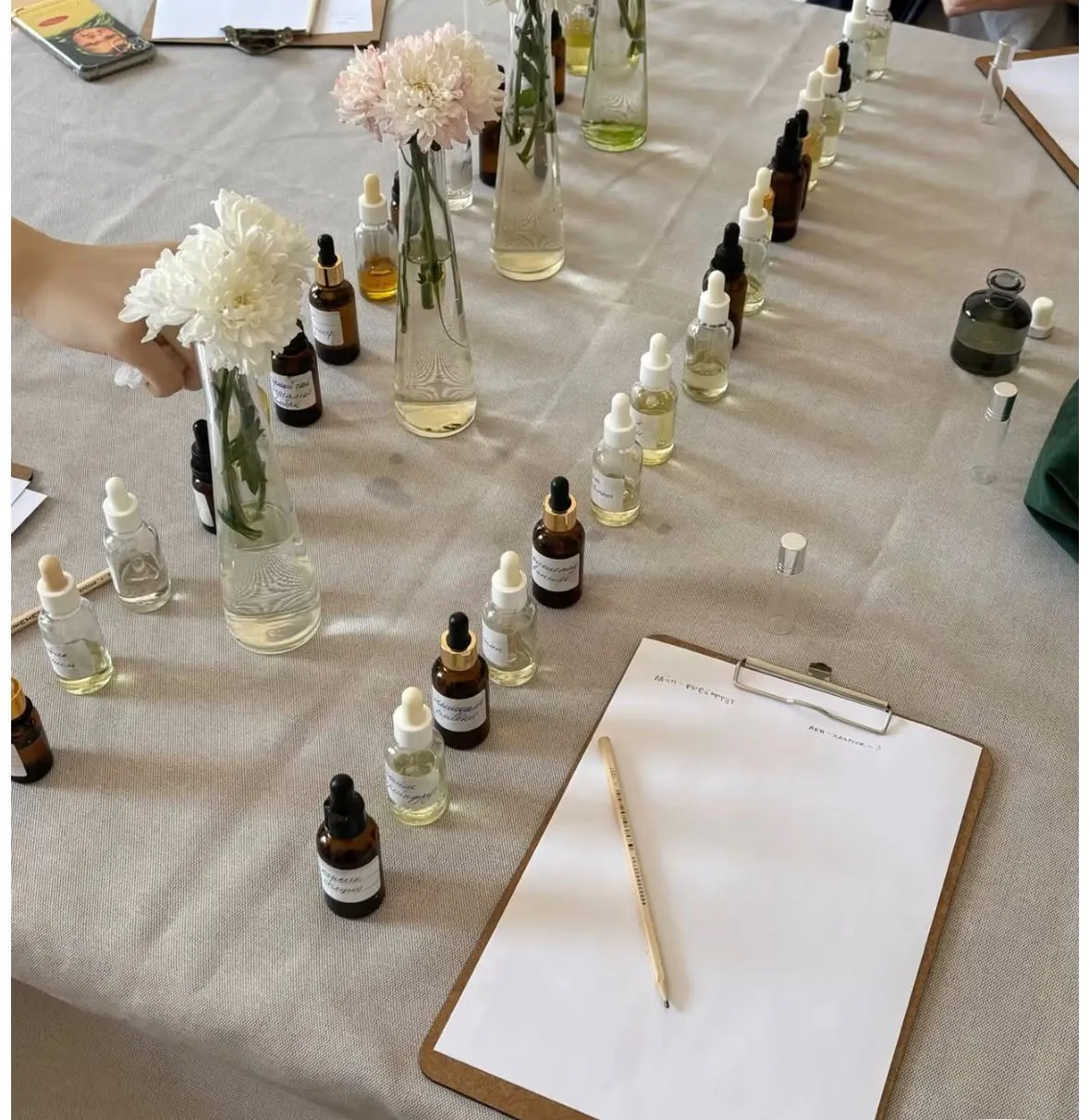
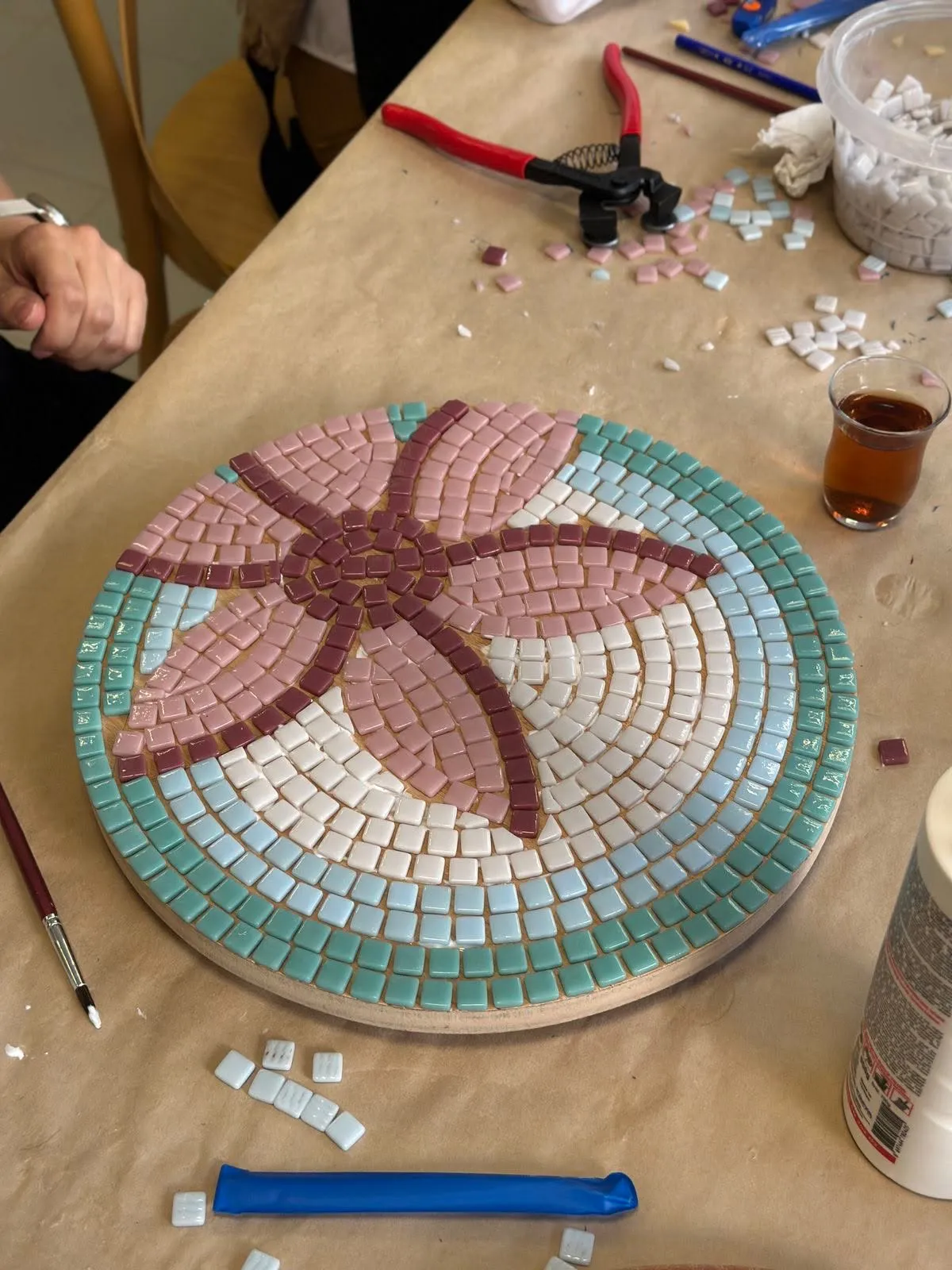
Stepping out of the usual setting helps step out of the usual patterns. A team that has learnt to compose a perfume or assemble a mosaic has experienced, on a small scale, the trial-and-error approach: test, adjust, start again. That reflex transfers more easily than one might think to everyday problems, especially when the host takes the time to name it.
7. Anchoring company culture and a sense of belonging
Values displayed on the walls only become a culture when they are lived. A team building is one of the rare moments when a company can show, rather than tell, what it values: inclusion (an activity accessible to everyone), conviviality, attention to detail. Teams come out with shared anecdotes, and those anecdotes are what belonging is made of.
8. Retaining talent and strengthening the employer brand
Employees who feel connected to their colleagues tend to stay longer, even when a competing offer comes along. Team building is not the only cause, but it is one of the experiences that tip the balance. It also feeds the employer brand: photos shared by participants say more than a careers page.
Why a creative workshop works particularly well
Not all activities produce these benefits in the same way. Competitive formats exclude those who dislike them; sporty activities leave part of the team on the bench. A creative workshop ticks the boxes that matter: no competition, everyone goes at their own pace; inclusive, whatever the age, fitness level or language; a tangible keepsake, since everyone leaves with their creation; a short format of 1.5 to 2 hours that fits into an afternoon; and the option to hold it at your office, with no travel.
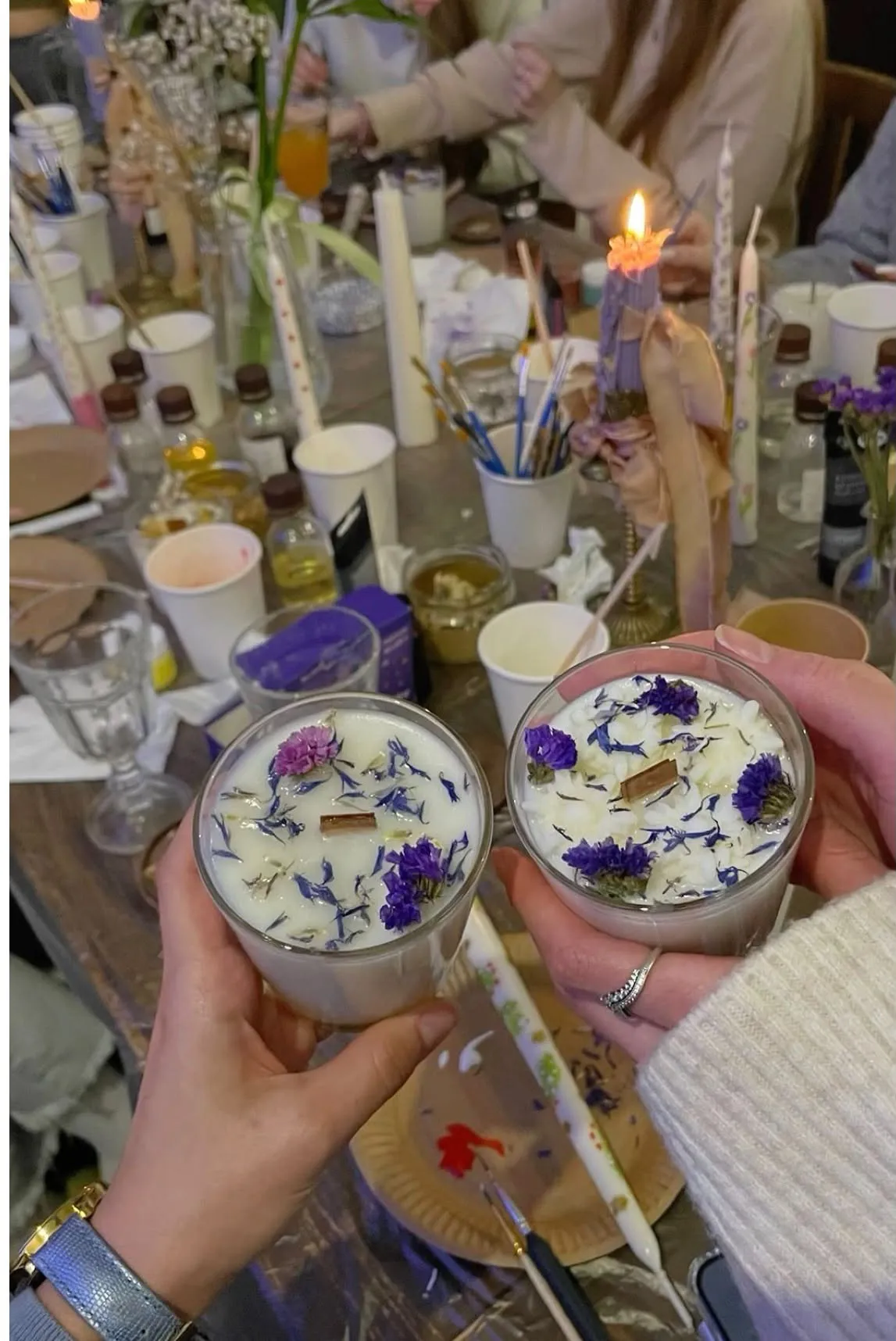
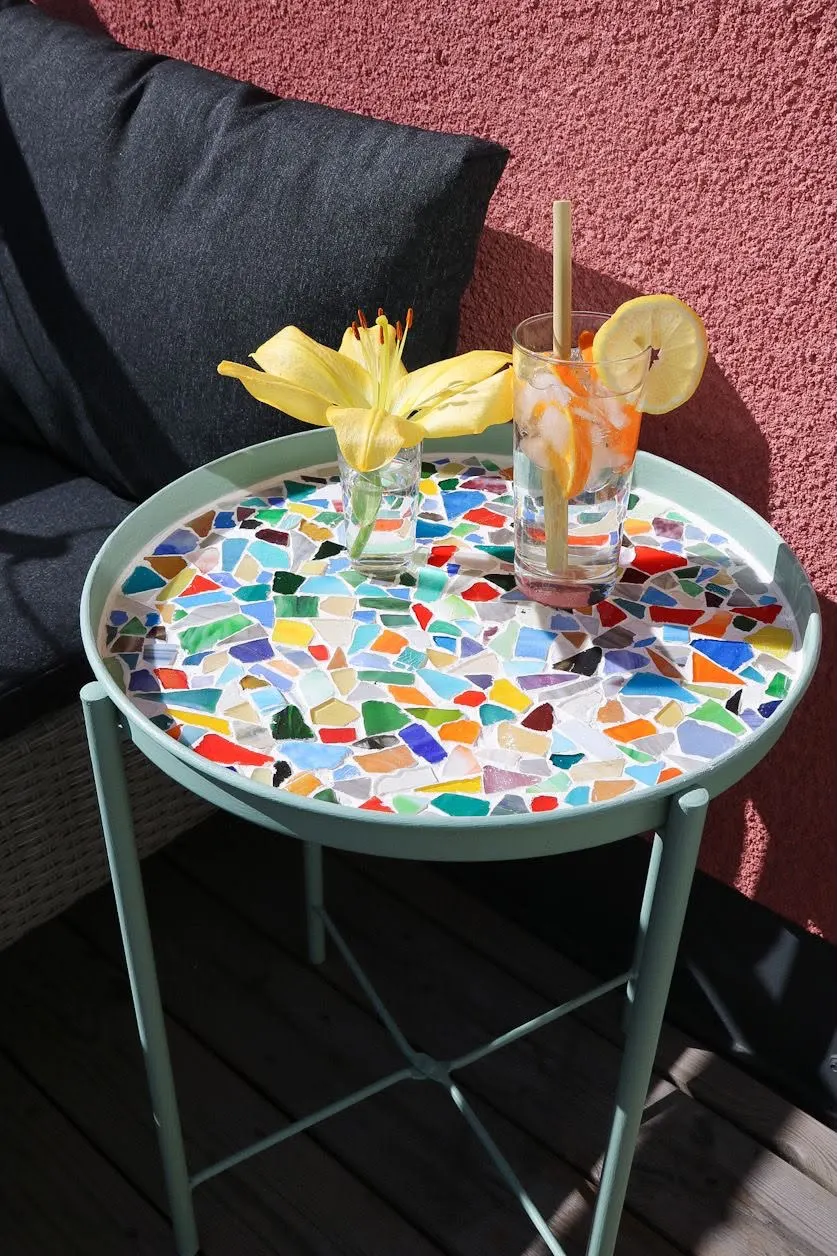
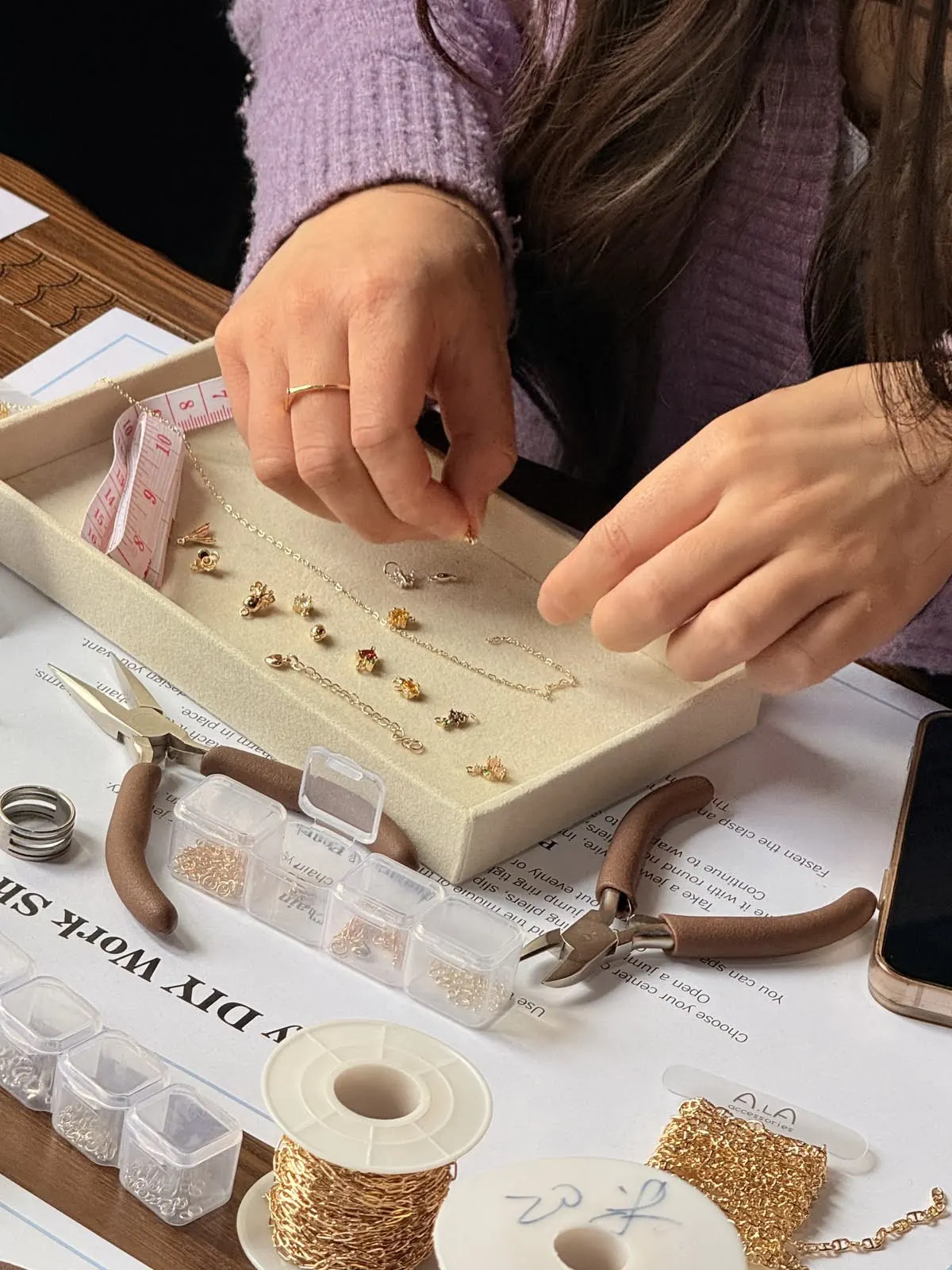
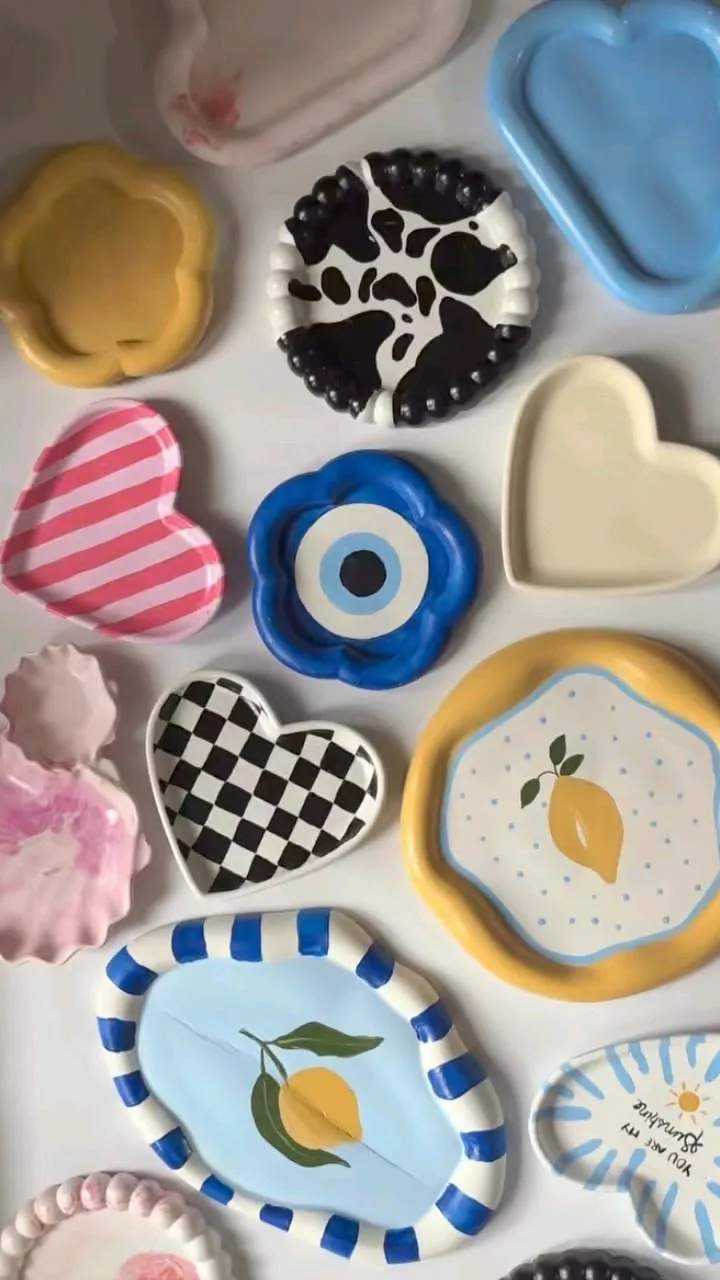
That is the model Break-it applies to its creative team buildings in Brussels: perfume, candle, jewellery, clay or mosaic, hosted in English and French, for 6 to 100 participants.
How to measure the effect of a team building
- Before / after questionnaire: three simple questions on sense of belonging, knowledge of colleagues and willingness to collaborate, asked one week before and one month after.
- Voluntary participation in the next editions: a rate that rises from one edition to the next is the best indicator there is.
- Smoother cross-team exchanges: ask managers whether requests between departments flow more easily in the following weeks.
- Turnover and exit-interview feedback: over the long term, the quality of relationships between colleagues often comes up as a reason to stay or to leave.
To move from theory to practice, discover our creative team building formula, browse our 10 team building ideas in Brussels or request a quote: reply within 24 hours.